
🥰HT10. The young man was hospitalized after being pen… See more

On June 12, 2025, an Air India flight experienced a critical emergency immediately after departure from Ahmedabad. The pilot’s urgent Mayday call was the final communication before tragedy struck. Here’s what the Mayday signal means, when it’s used, and why it’s crucial in aviation emergencies.
The Incident: Air India Flight AI-171 Issues Mayday Before Crash
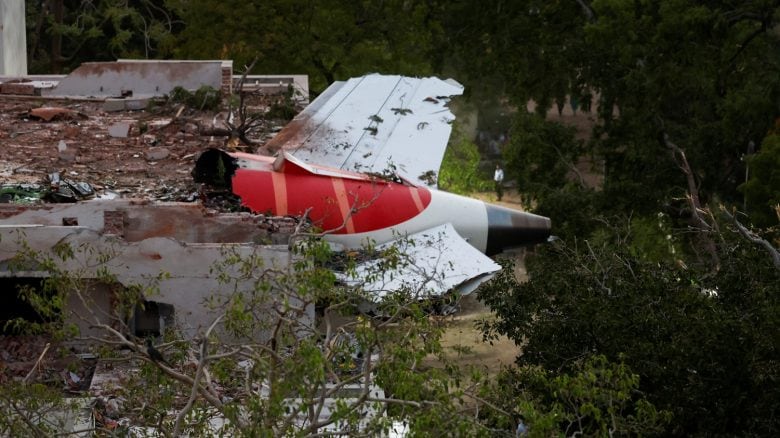
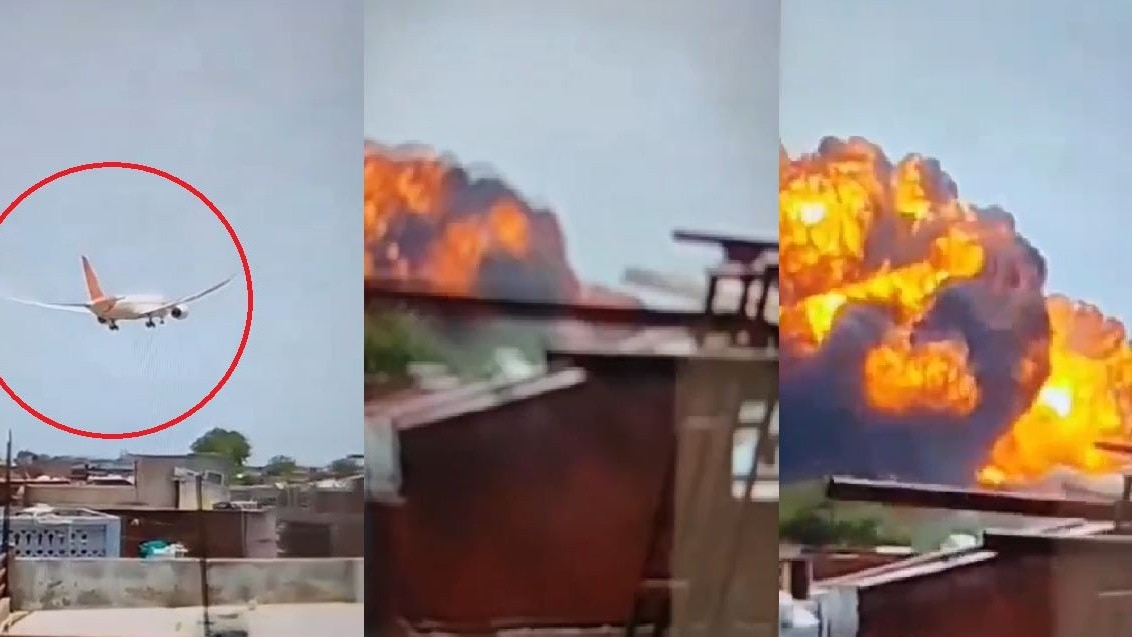
An Air India Boeing 787 Dreamliner, operating as Flight AI-171 and bound for London Gatwick, made a distress call moments after taking off from Sardar Vallabhbhai Patel International Airport in Ahmedabad on Thursday, June 12. The aircraft was carrying 242 individuals, including crew and passengers.

According to initial reports confirmed by the Directorate General of Civil Aviation (DGCA), Captain Sumeet Sabharwal, who was commanding the flight, issued a Mayday call to Air Traffic Control (ATC) within seconds of takeoff. The signal was the last communication from the aircraft before it lost radar contact and crashed into a residential area in Meghaninagar at approximately 1:39 PM IST.
Plumes of black smoke were seen rising from the site as emergency teams responded swiftly. Despite repeated attempts by ATC to reestablish contact, no further communication was received after the distress call.
What Is a Mayday Call?
Origin and Definition
The term “Mayday” is an international distress signal used in aviation and maritime communications. It is reserved for situations involving immediate, life-threatening emergencies. The signal must be repeated three times consecutively – “Mayday, Mayday, Mayday” – to ensure it is clearly understood and receives top priority.
The word “Mayday” originates from the French phrase “m’aider”, which translates to “help me.” It was introduced in the 1920s by Frederick Stanley Mockford, a senior radio officer at Croydon Airport in London. By 1927, the term was officially adopted as the standard voice call for distress under the International Radiotelegraph Convention. It complements the Morse code signal “SOS” for emergencies.
Mayday vs. Pan-Pan

While Mayday denotes an urgent, life-threatening situation, a Pan-Pan call is used for less severe emergencies where immediate assistance is not necessary. For example, a Pan-Pan might be issued for non-critical technical issues or minor medical problems.
In contrast, a Mayday implies “grave and imminent danger” that demands immediate intervention, such as:
-
Engine failure
-
Fire on board
-
Structural damage
-
Rapid cabin depressurization
-
Severe weather conditions
-
Onboard medical emergency endangering lives
The Standard Procedure for Mayday Calls

When a Mayday call is made, pilots are trained to deliver a structured message containing essential information to help coordinate a response. The following details are typically included:
-
Aircraft identification and type
-
Current position and heading
-
Nature of the emergency
-
Altitude
-
Fuel on board
-
Number of persons aboard
-
Pilot intentions
This protocol allows air traffic controllers and emergency response teams to prioritize the distressed aircraft, prepare for a potential emergency landing, and mobilize relevant services like fire crews, ambulances, and recovery units.
What Happens After a Mayday Is Received?

Once ATC receives a Mayday transmission, all non-essential radio communication is suspended. Controllers immediately:
-
Assign a dedicated frequency to the distressed aircraft
-
Alert airport emergency services
-
Coordinate with nearby airports in case of diversion
-
Re-route other aircraft to clear the airspace
-
Provide navigation and weather information as needed
Air traffic control may also notify national aviation safety authorities and, in extreme cases, military air traffic controllers for added support.
In the case of Air India Flight AI-171, the rapid issuance of a Mayday signal meant that rescue operations could be activated immediately, even though communication was lost shortly afterward.
Legal Framework and Misuse of Mayday Calls
Issuing a Mayday call is a serious matter and is governed by strict regulations. Making a false Mayday transmission is a criminal offense in most countries and may result in fines or imprisonment.
The Federal Aviation Administration (FAA) and other aviation authorities require pilots to undergo rigorous training on when and how to declare emergencies. The use of a Mayday call is only permitted in genuine, life-threatening circumstances.
This legal structure ensures the credibility of distress calls and prevents unnecessary disruptions to air traffic systems.
Why the Mayday Call Matters in the Ahmedabad Crash
Timely Action by the Flight Crew
Though the crash resulted in a tragic outcome, the fact that a Mayday call was made promptly shows the flight crew’s professionalism and strict adherence to safety protocol.
Even in a crisis unfolding within moments of takeoff, the crew was able to:
-
Recognize the emergency
-
Decide on the severity of the situation
-
Communicate the distress call effectively
This transmission will prove crucial in investigative efforts as authorities attempt to reconstruct the chain of events and determine the root cause of the crash.
Information for Investigators and Responders
Emergency calls like Mayday help:
-
Identify the last known position of the aircraft
-
Clarify the nature of the malfunction or emergency
-
Support timeline analysis of the incident
-
Assist in black box data correlation
This initial data can help agencies such as the DGCA and Air Accident Investigation Bureau (AAIB) assess whether the incident was due to technical malfunction, external interference, pilot error, or environmental factors.
Broader Implications for Aviation Safety
Reinforcement of Emergency Protocol Training
Aviation authorities worldwide frequently use real-world incidents to improve pilot training programs. The Ahmedabad crash and the Mayday signal will likely be integrated into safety briefings and simulation scenarios to help future pilots respond effectively in similar crises.
Role of ATC and Airport Emergency Readiness
The situation also puts a spotlight on the readiness of ATC teams and airport emergency units. Effective coordination among these teams is essential for:
-
Minimizing loss of life
-
Ensuring efficient evacuation or firefighting response
-
Preserving evidence for investigation
Sardar Vallabhbhai Patel International Airport temporarily suspended flight operations following the incident, focusing entirely on rescue and recovery efforts.
Enhancing Aircraft Systems and Communications
The accident may prompt a review of:
-
Aircraft design and reliability of systems
-
Real-time telemetry and flight data streaming
-
Redundancy in communication systems
These considerations aim to further improve flight safety standards, especially in densely populated or urban takeoff corridors.
Conclusion
The Mayday call issued by Air India Flight AI-171 seconds after takeoff was a vital part of the emergency response process, even though the aircraft tragically crashed shortly afterward. The transmission signified a clear and immediate threat, initiated swift rescue efforts, and provided critical information for investigators.
Understanding what a Mayday call is, how it’s used, and its legal and operational importance reveals the complex layers of aviation safety protocols that are in place to protect lives in the sky. As investigations unfold, the lessons learned from this incident will contribute to strengthening the aviation industry’s commitment to safety, preparedness, and rapid emergency response.


