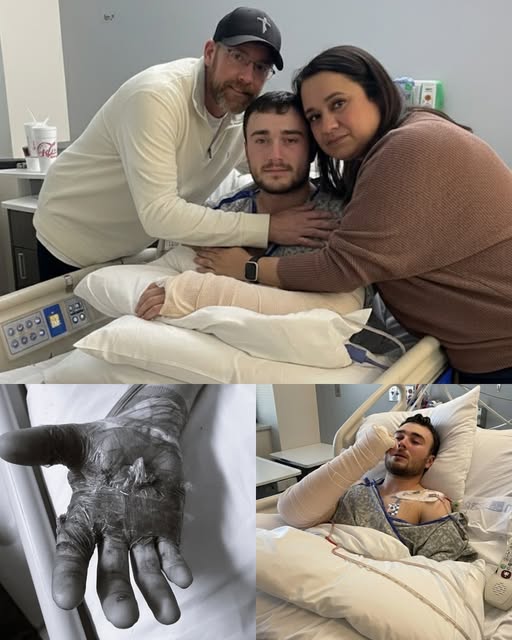
Hunter Returned to Intensive Care After Surgeons Discover Vascular Injury During Operation
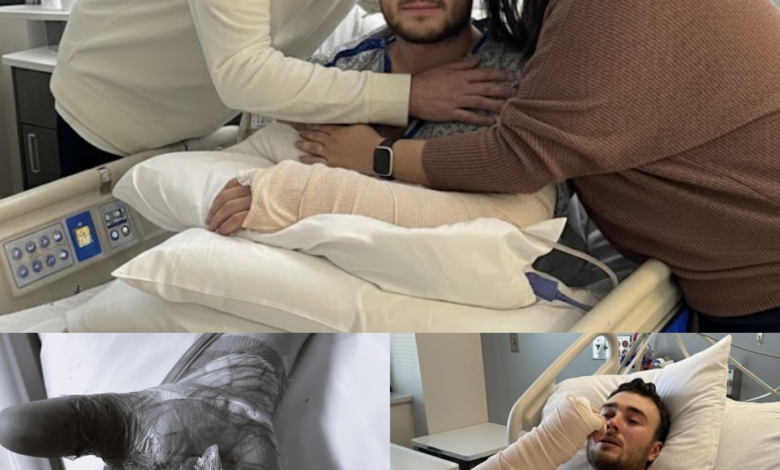
Hunter’s recovery took an unexpected and serious turn this week when surgeons discovered a vascular injury during a scheduled operation, forcing doctors to return him to intensive care for close monitoring. What was initially expected to be a carefully planned step forward in his treatment quickly became a high-stakes medical situation that reshaped the course of his recovery.
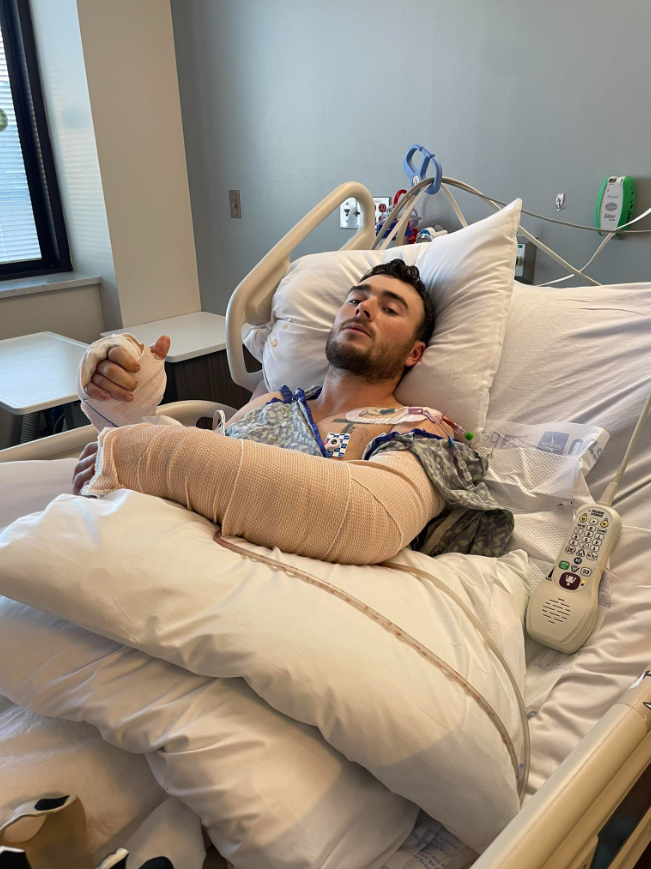
According to those close to the family, the surgery began routinely. The medical team entered the operating room prepared to address known complications and continue the gradual process of repair that Hunter has endured for weeks. However, partway through the procedure, surgeons identified damage to a blood vessel that had not been fully apparent before the operation began.
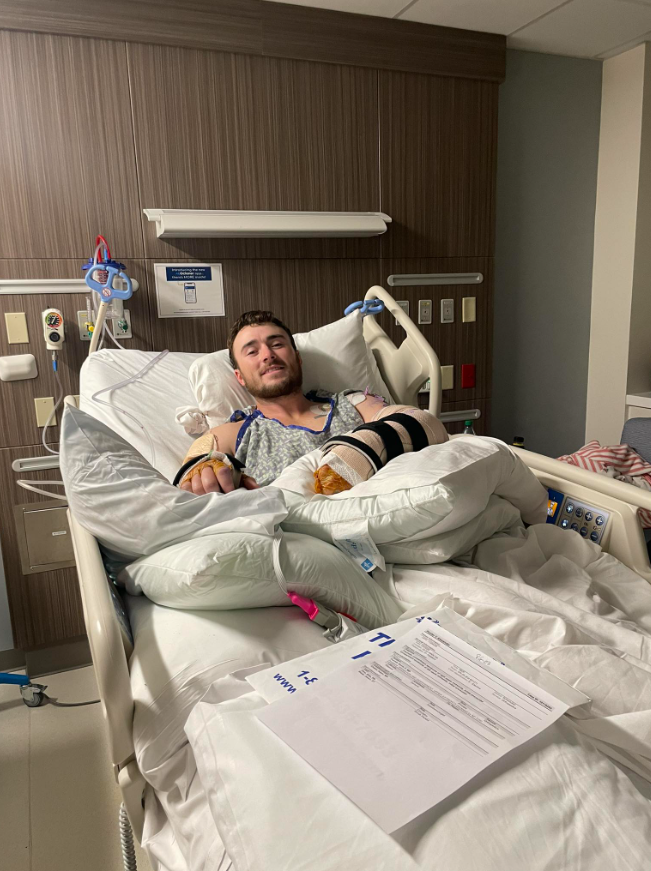
The discovery immediately changed everything.
Vascular injuries are among the most serious complications surgeons can encounter, as they pose risks of internal bleeding, compromised circulation, and sudden instability. Once the injury was identified, the surgical team shifted priorities, focusing on controlling the damage and preventing further complications. What had been a scheduled procedure suddenly became a race against time.
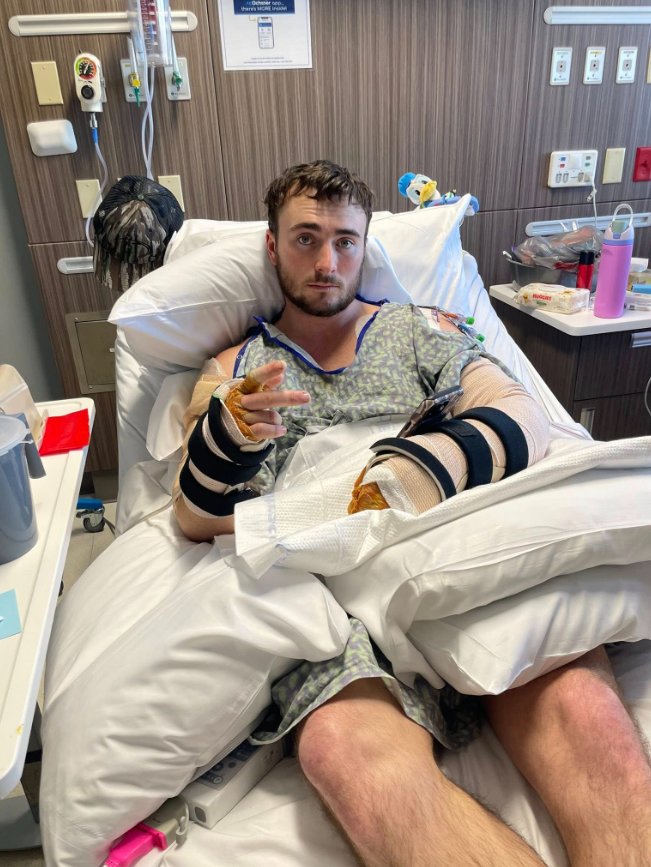
Doctors worked carefully to stabilize the injury, but the decision was made that Hunter could not return to a standard recovery unit. Instead, he was transferred directly back to the intensive care unit, where he could be monitored minute by minute.
For the family, the news was devastating.
After recent updates had offered cautious optimism, this setback felt like a cruel reversal. Loved ones who had begun to imagine the next stages of healing were once again confronted with the familiar language of critical care—vital signs, blood flow, and the constant presence of machines and specialists.
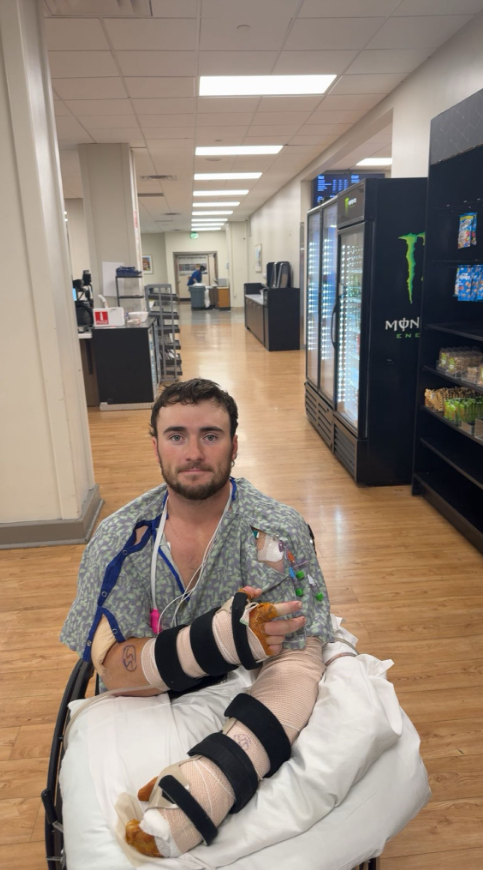
“This wasn’t something anyone was expecting,” one family member shared quietly. “We were prepared for a long recovery, but not for another emergency.”
In the ICU, Hunter is under continuous observation. Doctors are closely tracking circulation, blood pressure, and signs of swelling or additional complications. While he is currently stable, medical staff have been clear that the next several days are crucial. Vascular injuries can evolve quickly, and even small changes require immediate response.
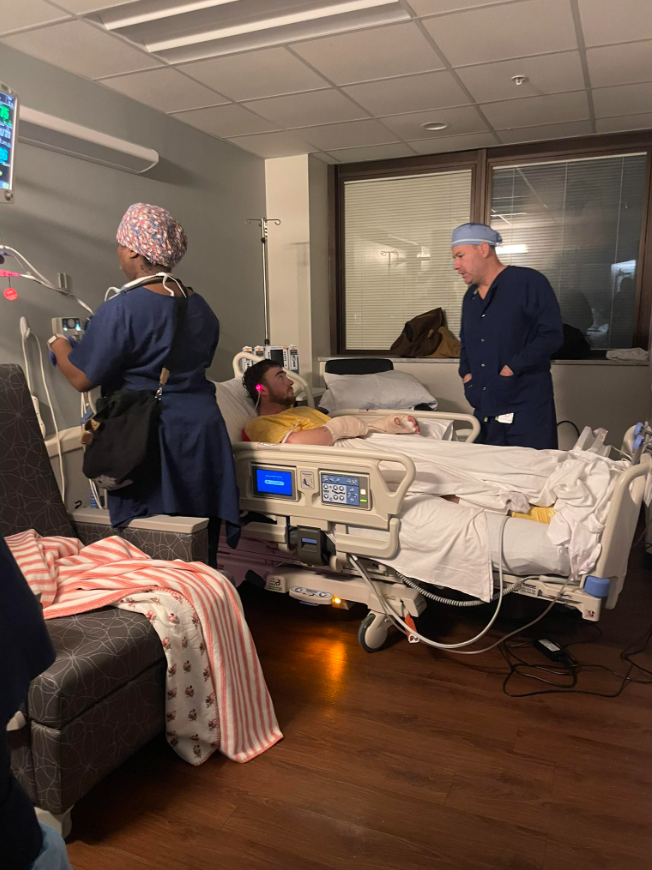
The return to intensive care does not mean previous progress has been lost, physicians emphasize. However, it does mean that recovery has entered a more delicate phase. Any strain on the affected area must be carefully controlled, and additional interventions may be required depending on how Hunter’s body responds.
Despite the seriousness of the situation, there are signs of cautious reassurance. Surgeons were able to identify the injury before catastrophic damage occurred, and early intervention significantly improves outcomes in cases like this. The decision to move Hunter back to the ICU was made proactively, prioritizing safety over speed.